
This post is a medical advertisement written by the clinic for the purpose of providing medical information. It complies with Article 56, Paragraph 1 of the Medical Service Act.
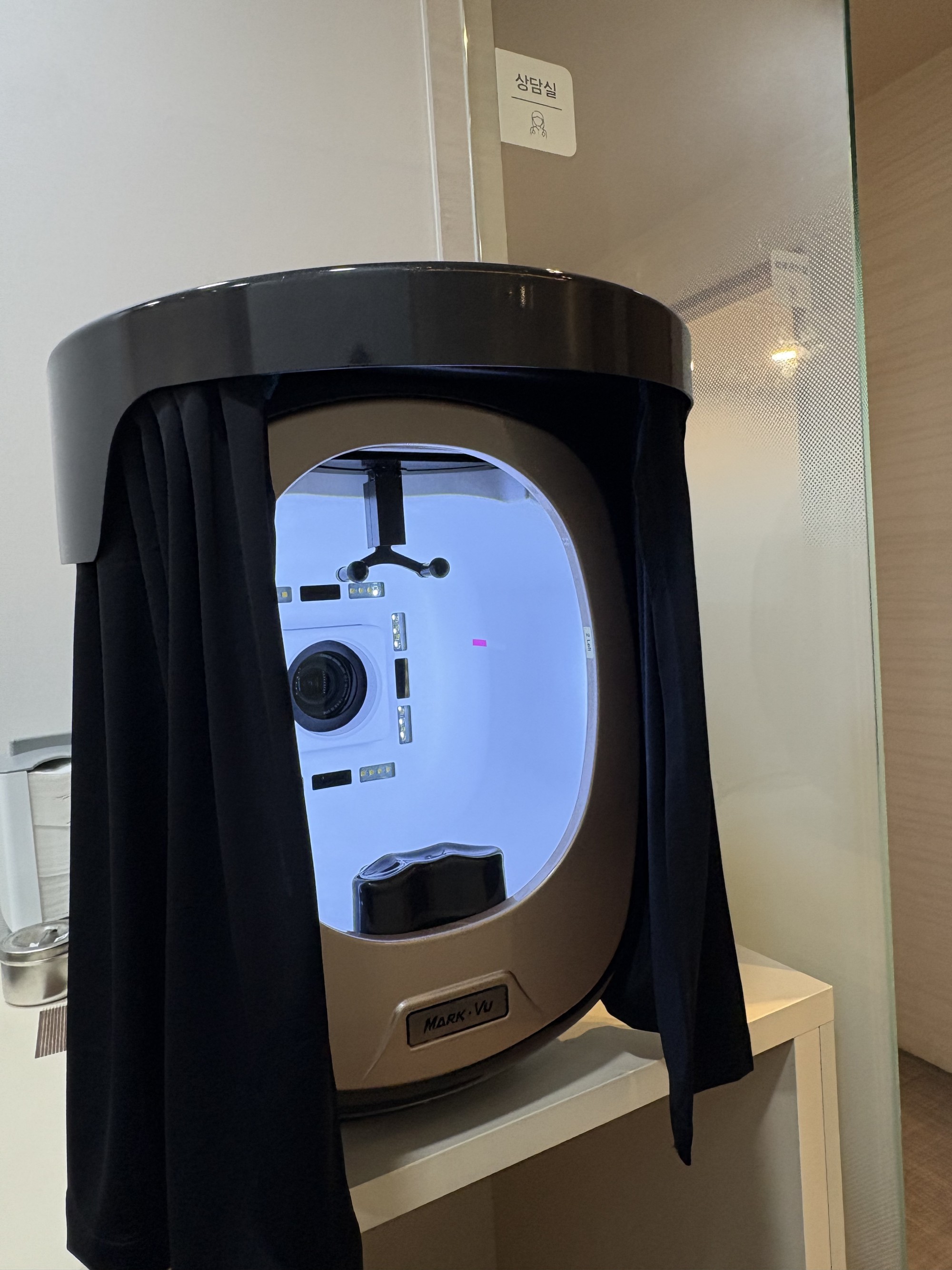
Many people come in looking for lentigo removal as brown spots on their face increase one by one. However, when examined with diagnostic equipment, it is surprisingly often melasma or seborrheic keratosis, not lentigo. The identity of the spot must first be determined to decide whether to use Lipot laser or another method.
If pigmentary disorders of different natures are treated with a single method, the results may not meet expectations, or the color may even darken. If you are considering Gwanggyo lentigo removal, please first check the criteria for distinguishing between lentigo, melasma, and seborrheic keratosis, and the reasons for choosing Lipot laser when it is lentigo, in this article.
Not all brown spots are lentigo
There are many types of brown lesions that appear on the skin. The most common are lentigo, melasma, and seborrheic keratosis, but these three differ in their causes, shapes, and the depth at which the pigment is located, so treatment must also be different.
If you mistake melasma for lentigo and use a strong laser, you may experience the pigment becoming darker. Conversely, if you mistake lentigo for melasma and only repeat weak toning, time and money will pass, but the spots will remain. Therefore, a precise skin diagnosis is always necessary before lentigo removal procedures.
Criteria for distinguishing between lentigo, melasma, and seborrheic keratosis
The final judgment is up to the medical staff, but knowing the basic differences can help you understand the treatment plan.
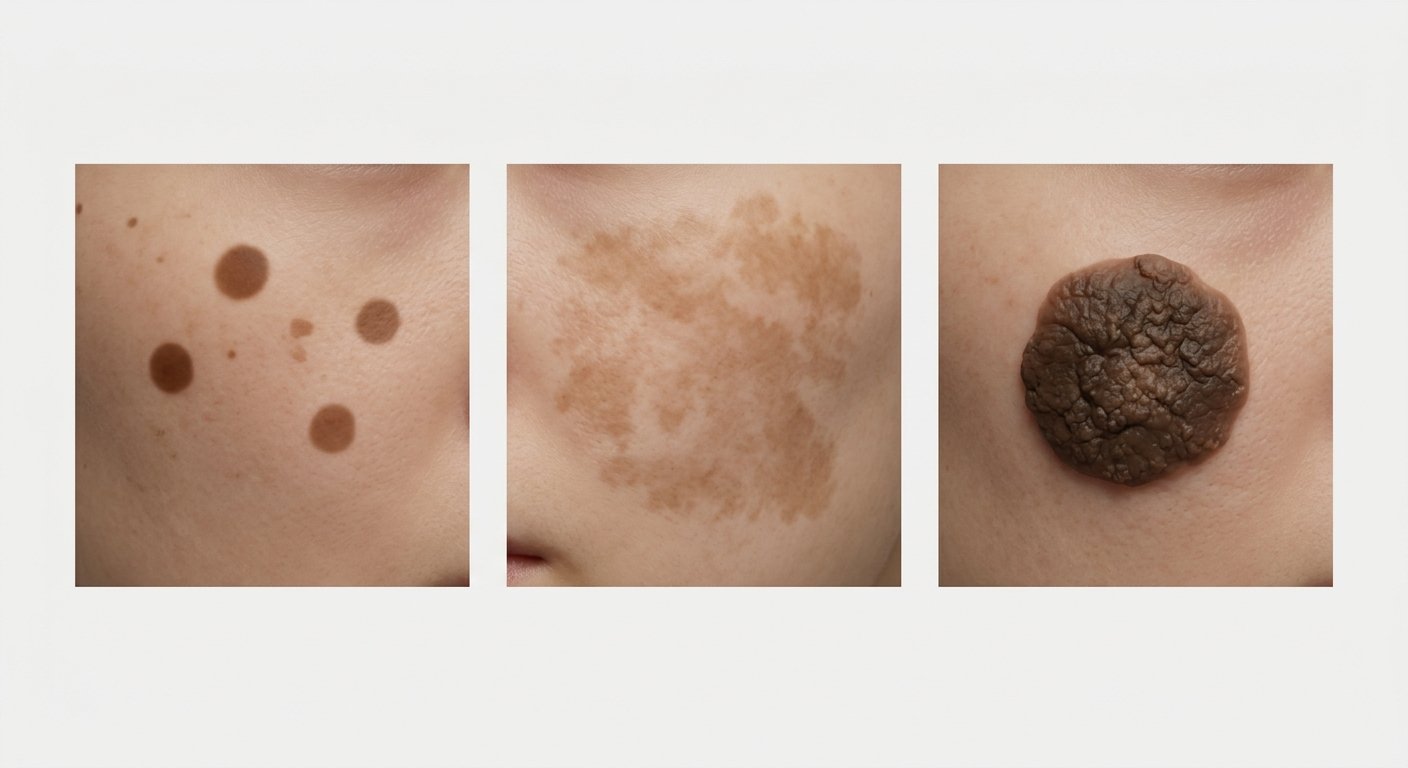
Lentigo are circular or oval spots with relatively clear borders. The color varies from light brown to dark brown, and they can appear as a single spot or scattered in multiple spots in areas exposed to a lot of sunlight, such as the cheekbones, cheeks, or back of the hands. The surface is flat.
Melasma has blurry borders and spreads widely with a hazy appearance. The shades vary, such as grayish-brown or bluish-gray, and are generally symmetrical on both sides. It is caused by a combination of various factors such as hormonal changes and genetics, in addition to UV rays, and the pigment is often located in the deeper layers of the skin.
Seborrheic keratosis has a rough surface or is slightly raised like a wart. It is brown or black, does not feel flat when touched, and tends to increase in size or thickness over time.
If confirmed as lentigo, Lipot laser is considered
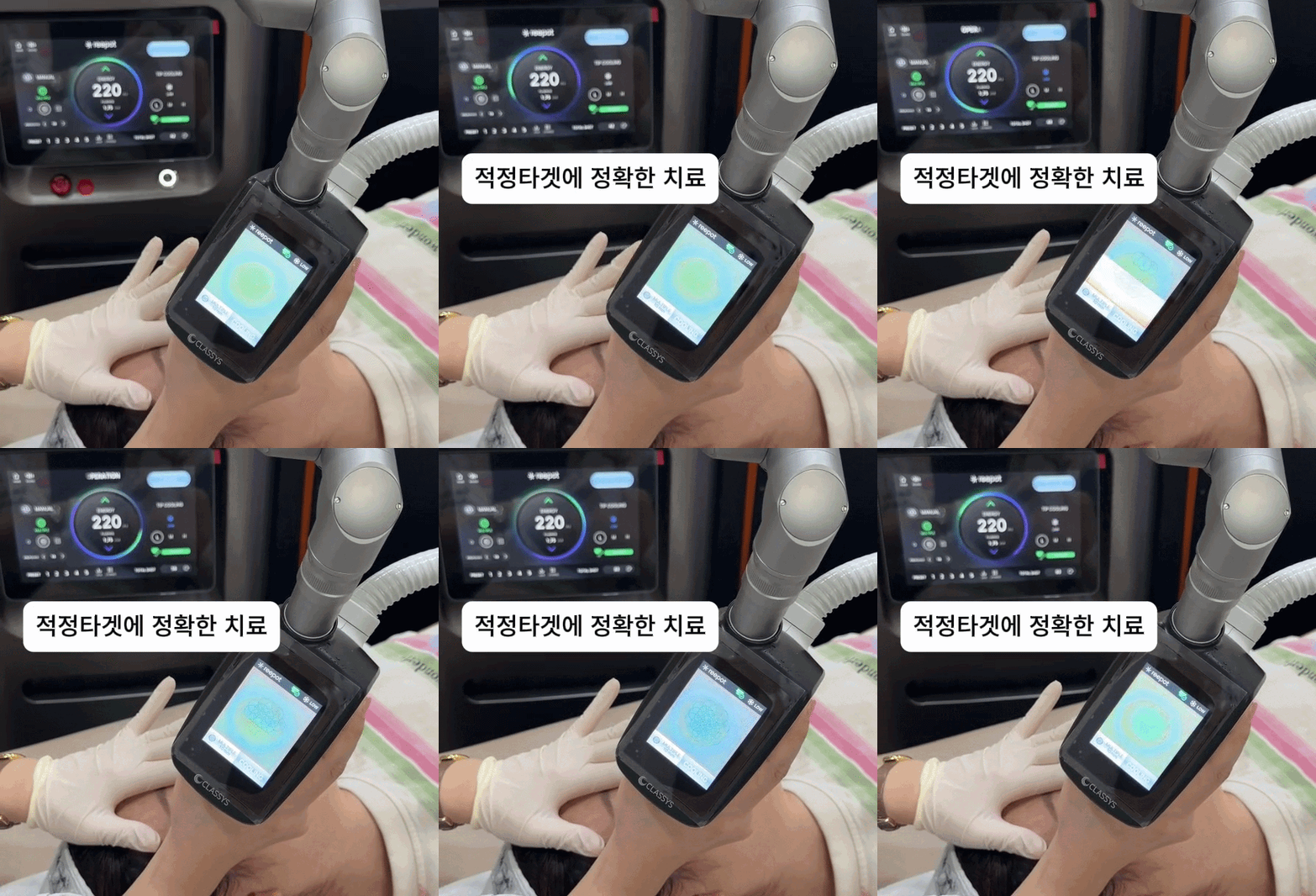
If diagnosed as lentigo, Lipot laser becomes a valid option. This is because the procedure is performed in a way that selectively treats only the lentigo lesions while minimizing irritation to normal skin. Below is an example of a woman in her 40s who underwent lentigo removal with Lipot laser.
Her biggest concern was that the brown pigment on her cheekbones was becoming increasingly prominent and not easily covered by makeup. After checking the shape, borders, and skin condition of the pigment, it was diagnosed as a lentigo lesion, and Lipot laser treatment was planned.
The procedure was performed to selectively treat the lentigo lesions while reducing the burden on the surrounding normal skin. After the procedure, we provided guidance on management methods, including regenerative tape and UV protection, considering the recovery process and the possibility of hyperpigmentation. As recovery progressed, a change in which the dark lentigo area lightened was observed.
※ Treatment results and recovery speed may vary by individual.
Frequently asked questions about cost, number of sessions, and recurrence
The cost of Gwanggyo lentigo removal varies by clinic, but it is usually determined by the size, number, and depth of the lentigo. If there are only a few small lesions, it can be done relatively simply, but if there are many scattered across the entire face, the cost will vary accordingly. I always say that it is ultimately more reasonable to receive only the precise treatment your skin needs rather than comparing costs.
The number of Lipot laser sessions depends on the depth of the lentigo. Many people with shallow, light lentigo in the epidermis see satisfactory changes with just one session. On the other hand, if the lentigo has descended to the dermis or is a complex lentigo formed over several sessions, additional treatments may be necessary at 1-2 month intervals, and regenerative care to aid recovery may also be performed.
Removed lentigo may reappear. Since the main cause of lentigo is UV radiation, even if existing lesions are removed with Lipot laser, new lentigo may appear in the same spot or other areas if UV protection is neglected. Continuing UV protection and moisturizing even after the procedure is a way to prevent recurrence and maintain skin for a long time.
In summary
Not all brown spots on the face are lentigo. Lentigo, melasma, and seborrheic keratosis are first distinguished, and only when diagnosed as lentigo, Lipot laser is considered as one of the treatment methods, depending on the skin condition. If you are looking for lentigo removal in the Gwanggyo area, we recommend checking the diagnosis before the equipment.
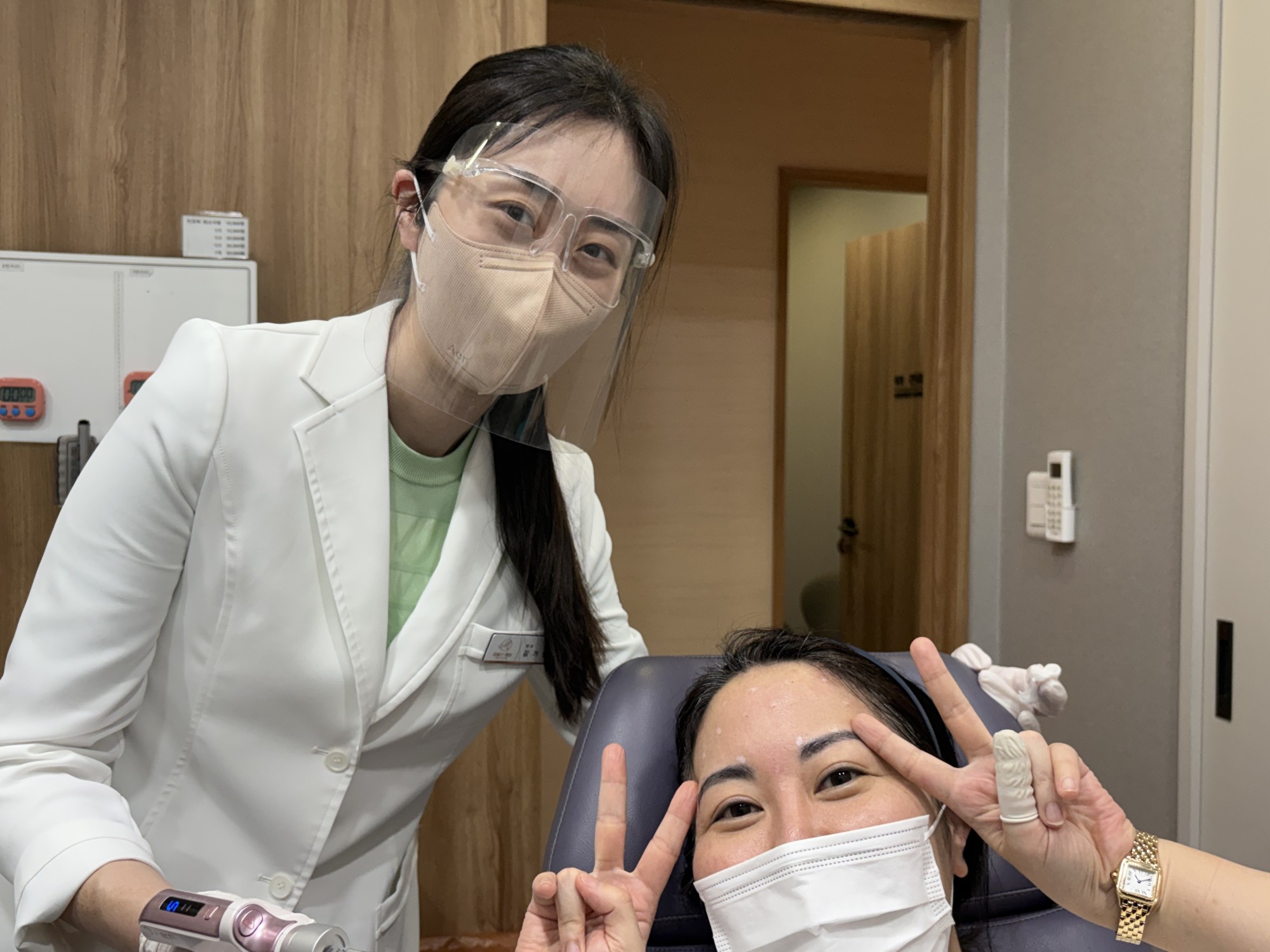
Reviewed by: Dr. Kwon Yu-ri · Family Medicine Specialist, Academic Director of the Korean Melasma Society | First Published 2026-09-09 · Last Reviewed 2026-09-14
This content is for the purpose of providing medical information, and the effects and side effects may vary by individual. Please consult with medical staff to determine an accurate diagnosis and whether to undergo the procedure. This post is a medical advertisement in accordance with Article 56 of the 「Medical Service Act」.